
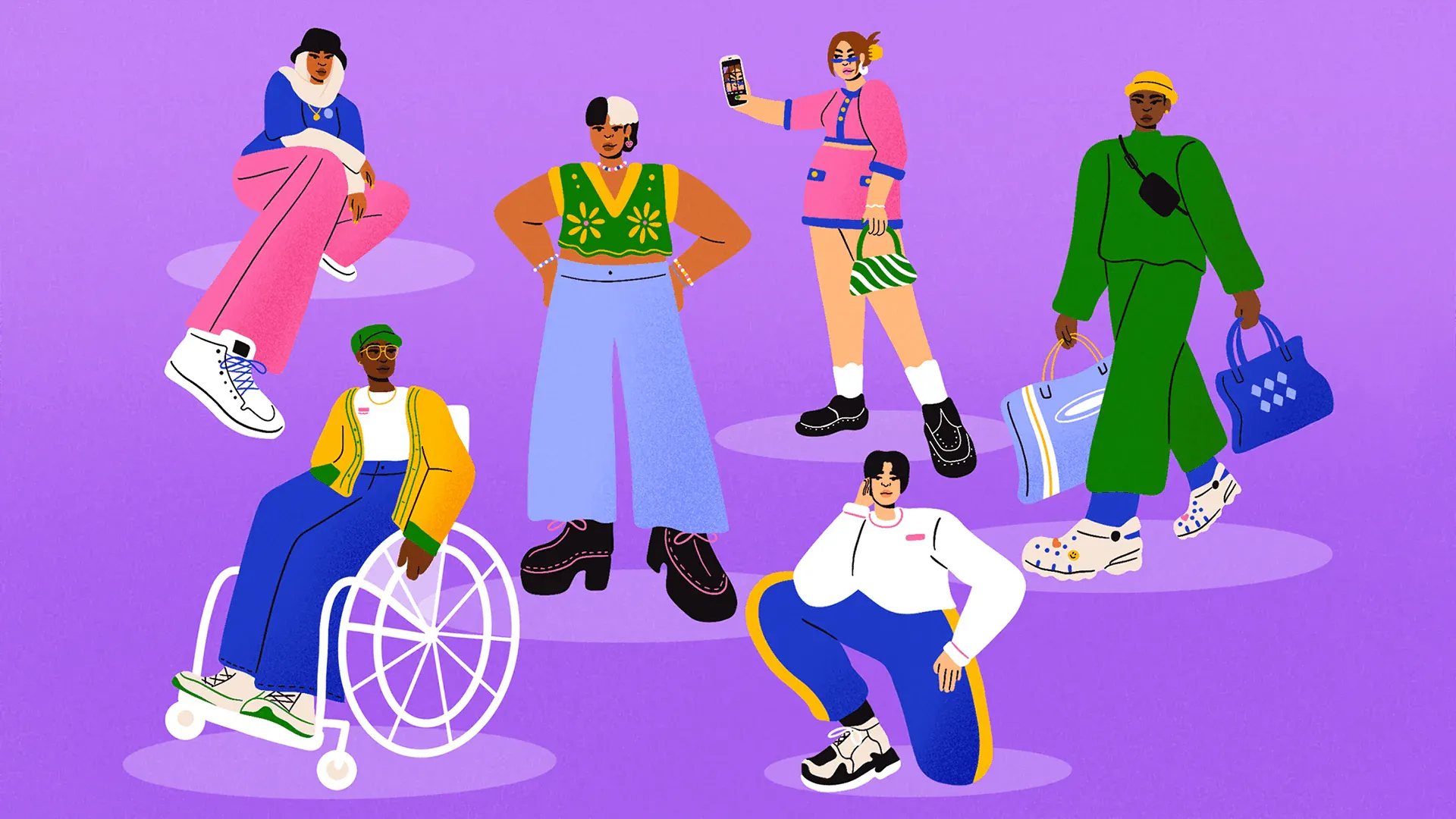
The phrase "Gen Z" was mentioned twice as often in S&P 500 earnings calls as they were in 2020.
Winning over multiple generations of consumers has proven to be a struggle for department stores and retail chains in the past.
Now, companies like Tapestry Inc., American Express Co., and Estee Lauder Inc. are realizing that Generation Z is essential for the longevity of their businesses.
In this article, we set out to help you understand who Gen Z is, what motivates them to buy and how to tailor your advertising.
Gen Z Demographics
Gen Z is the demographic cohort following the Millennials, commonly defined as those born between 1995 and 2015.
Don’t confuse them with Millennials though as they have a unique set of characteristics from the generations that came before:
- Ages 7 - 27: Born between 1997 and 2012.
- Over 2.4 billion members of Gen Z.
- 68.2 million in the US.
- Most racially and ethnically diverse generation of Americans.
Members of Gen Z are dubbed "digital natives" which means they have never known a time when the internet didn’t exist.
They've grown up with a device in their hand.
Now 95% of Gen Zers own a smartphone, 83% own a laptop and 78% own an internet-connected gaming device.
Also, learn more about the Millennial Buyer Persona.
Gen Z Buying Power
Gen Z is a force to be reckoned with and they’re just beginning to have a massive influence on the economy.
Consider the following Gen Z accounted for about 40% of global consumers (2020) breaking down to:
- $143 billion in direct buying power.
- $127.5 Billion in spending on Gen Z by family members.
- $333 Billion indirect spending influences by Gen Z (low estimate assuming 25% influence)
What Motivates Gen Z to Buy
Now that some of the stats are out of the way, let’s discuss what motivates Gen Z to buy.
Gen Z wants brands to hang out with them in a real way, not through forced ads or stock photos, especially on social media.
A study by Vice found that Gen Z uses the following platforms to discover new brands:
- YouTube 88%
- Instagram 80%
- Facebook 56%
- Twitter 47%
- TikTok 21%
It's equally important to mention gaming here as a major way Gen-Z connects with friends and family.
Two-thirds of teenagers play online games and 42% of them report that they play for more than two hours per day.
The esports market is growing quickly. Video game internet traffic has increased a lot (75%) since March 2020.
But, what is different about this generation is not just the technology or online platforms.
Where Gen Z hangs out is important, but what has changed is this generation's relationship with media.
Gen Z wants to actively participate in creating meaning around them through media experiences; it's their community.
If brands offer something valuable, then Gen Z is willing to let them join their online communities.
How to Appeal to Gen Z Values
Brands that want to appeal to Generation Z need to understand the underlying values that this generation holds.
These values include corporate responsibility, gender equality, gender neutrality, and inclusivity.
Corporate Responsibility
Nearly all, Generation Z consumers believe companies have a responsibility to address environmental and social issues.
And this isn’t all talk; 61% say they would pay more for products that are ethically and sustainably produced.
Gender-Neutral Pronouns
Gen Z is changing the way we think about gender identity.
In a survey from McKinsey, 48% of Gen Zers say they prefer brands that don’t specify that their products are for men or women.
And, about six-in-ten, Gen Zers think that when a form or online profile asks about someone's gender, it should include options other than "male" and "female."
This may be because they are more likely than older generations to know someone who uses gender-neutral pronouns.
Advancing Inclusivity
Because Gen Z is the most diverse generation in history and they are more accepting of all lifestyles, this influences how they expect the media to represent them.
Gen Z wants to see representation that goes beyond conventional constructs.
In October 2020, Facebook commissioned a study by Ipsos that showed (54%) of consumers do not feel culturally represented in online advertising and most (71%) expect brands to promote diversity and inclusion in their online advertising
The change is reflected in the increased focus on social issues and campaigns like #metoo, #blacklivesmatter, and #timesup over the past couple of years.
What Gen Z Means for Advertisers
Ok, so how do Gen Z's demographics and value-set translate into actionable advertising strategies?
Lead with your values
Stand with Gen Z on topics that matter to your brand. This may be creating sustainable products, diversifying your digital assets, or a social issue. It's not "just business" anymore.
Connect through Co-Creation
Don’t limit yourself to thinking of Generation Z as a target audience.
Build loyalty with Gen Z at an early stage by paying close attention to their unique forms of communication. Engaging in an open, ongoing dialogue will help you find richer opportunities and inspiration.
Channel plan like a Gen Zer
Meet them where they are.
Choose words and images that celebrate diversity, inclusion, and fluid lifestyles on the platforms they use to communicate.
Whether that’s partnering with influencers on YouTube and Instagram or working with an indie artist to design an NFT drop.
Learn How to Create Engaging Instagram Videos: Tips & Tricks for Marketers
Gen Z and NFTs
The digital native generation has shown a growing interest in non-fungible tokens (NFTs) in recent years. NFTs are unique digital assets that are verified on a blockchain, and they can include anything from digital art to virtual real estate. For Gen Z, who have grown up in a world where digital media is the norm, NFTs offer a new way to own and collect digital assets, as well as a way to support artists and creators directly. NFTs have also become popular in the gaming world, where virtual items and currencies can be bought and sold as NFTs. As Gen Z continues to embrace digital technology and new forms of ownership, it's likely that the popularity of NFTs will continue to grow among this generation.
Just Ask
More than any other generation before them, Gen Z appreciates brands that are responsive to their needs.
Facebook and Ipsos found that 60% of Gen Zers wish they could communicate with more businesses via messaging.
Gen Z and Sports
With easy access to sports content and events through social media and streaming services, this tech-savvy generation has developed a strong interest in various sports and teams. Moreover, Gen Zers tend to be socially conscious and values-driven, which has led them to support sports teams that align with their values, such as those promoting diversity, inclusion, and sustainability. As a result, Gen Z is a valuable target audience for sports marketers, who can reach them through personalized and engaging digital campaigns that resonate with their interests and values. Fantasy sports companies, capitalizing on this trend, can engage Gen Z by offering interactive and immersive fantasy sports experiences that align with their digital habits and value-driven perspectives. By tapping into this new wave of sports fans, brands can build lasting connections with Gen Z and leverage their loyalty to drive business growth.
Final Thoughts
As you can see, Gen Z is a generation with different values and expectations when it comes to advertising and brand engagement.
Brands that wish to appeal to this demographic should consider how they can give back to the community, communicate through co-creation, and celebrate diversity.
Read our article on Gen Z advertising strategies that work for 3 examples of campaigns that worked!